
The world of commercial leasing is changing fast, thanks to new tech. Singapore’s startup scene, focused on finance and AI, is leading this shift.
Technology is bringing both new chances and hurdles to the leasing market. As real estate keeps growing, it’s key to grasp how tech is changing leasing.
Key Takeaways
- Technology is revolutionizing the commercial leasing industry.
- Singapore’s startup environment is driving innovation in financial technology and AI.
- The intersection of technology and commercial leasing presents new opportunities and challenges.
- The real estate sector is evolving to accommodate technological advancements.
- Understanding the impact of technology on commercial leasing is crucial for businesses and investors.
Introduction to Technology in Commercial Leasing
Traditional methods of commercial leasing are being replaced by new technologies. For a long time, leasing relied on old ways that were slow to change. But now, thanks to tech, the process is getting faster, clearer, and easier for everyone.
Leasing commercial property is a big deal in real estate. It involves tough talks, lots of paperwork, and big money deals. The old ways were slow and had too many middlemen. But tech is making it simpler for landlords and tenants to find the right places.
The need for new ideas in leasing is driving this change. Businesses want things to be flexible, affordable, and high-quality. Tech helps by offering tools that make leasing better, improve talks, and cut costs.
Technology in leasing isn’t just making things better; it’s opening up new chances. For example, data helps landlords know the market better and make smarter choices. Digital sites also help landlords and tenants find each other faster, cutting down on empty spaces and making tenants happier.
- Enhanced leasing processes through automation and digital documentation
- Improved market insights through data analytics
- Better tenant-landlord interactions through dedicated platforms
As leasing keeps changing, tech will be key in its future. By going with these changes, both landlords and tenants can enjoy a smoother, clearer, and more rewarding leasing experience.
The Rise of PropTech in the Real Estate Sector
PropTech combines property and technology, changing how we view residential and rental properties. It includes many technologies to make the real estate world better, including for commercial leasing.
PropTech uses data analytics, artificial intelligence, and the Internet of Things (IoT). It makes buying and selling properties more efficient, clear, and easy to access.
PropTech solves old problems in real estate. For example, finding and buying properties is now easier with online tools and apps.
- Real estate crowdfunding platforms
- Property technology startups offering virtual tours
- Companies developing smart home devices
- Blockchain-based property transaction platforms
These new tools are changing the residential market and commercial leasing too. By using PropTech, property owners and managers can do better. They can make their properties work better, improve tenant happiness, and run things more smoothly.
PropTech’s effect on real estate is big. It’s changing how properties are shown, rented, and managed. As PropTech grows, it will be key in shaping the future of commercial leasing and real estate.
How Data Analytics Transforms Property Leasing
Data analytics is changing the game in commercial leasing. It helps property managers and landlords make better choices. They can improve tenant experiences and make leasing smoother.
Predictive analytics is key in this area. It looks at market trends, tenant habits, and the economy. This helps predict demand and revenue, leading to more profit and less empty space.
Data analytics also makes tenant experiences better. It gives insights into what tenants like and need. Property managers can then tailor services and amenities to meet these needs, making the space more appealing and engaging.
The advantages of using data analytics in leasing are clear. It leads to smarter decisions, happier tenants, and more efficient operations. As the leasing world keeps changing, data analytics will be crucial for success.
Virtual Reality and Augmented Reality in Leasing
Virtual and augmented reality are changing how we look at property listings. They make finding and renting a commercial space easier and more fun.
Virtual reality (VR) lets people see properties online. This means no need for in-person visits, saving time. It gives a real feel of the space, helping tenants see its potential.
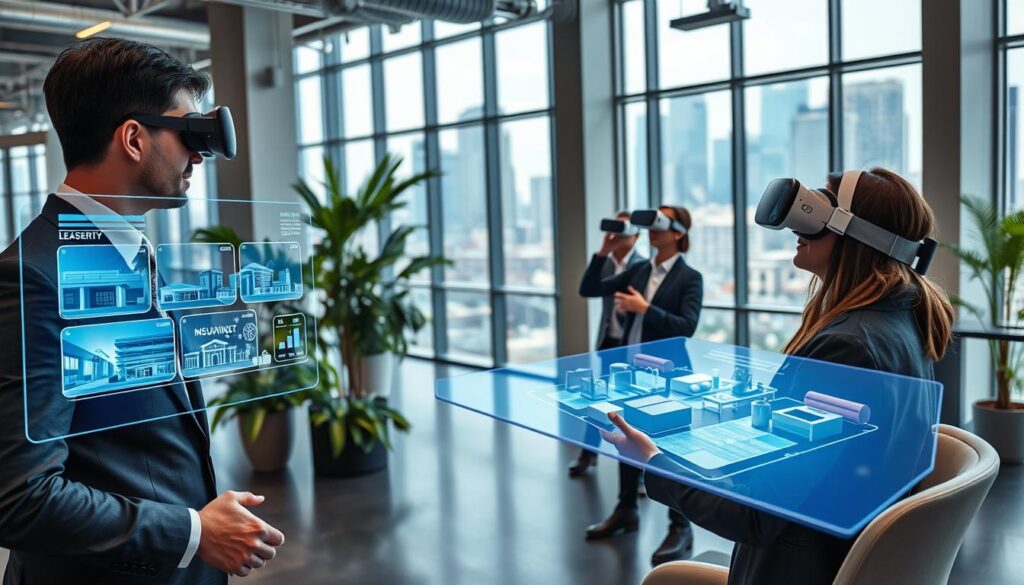
Augmented reality (AR) helps with interior design. It lets tenants see how a space could look with different layouts. This makes choosing a space easier and more interactive.
The good things about VR and AR in leasing are many. They include:
- They make the tenant experience better with interactive previews
- They make the leasing process faster by cutting down on visits
- They help tenants make better choices by showing them space options clearly
VR and AR are getting better, and they will change the leasing world more. They promise to make renting a space more fun, efficient, and tailored to each person’s needs.
Digital Leasing Platforms: Streamlining Processes
Digital leasing platforms are changing how businesses find properties. They make it easier to find the right place to rent or buy. These platforms offer a better experience for both tenants and landlords.
These platforms have many benefits. You can search for properties online and get all the details you need. This saves time and makes the leasing process easier.
When choosing a digital leasing platform, look for certain features. These include:
- Comprehensive property listings, including properties for sale and lease
- User-friendly search functionality, allowing tenants to find properties based on specific criteria
- Detailed property information, including photos, floor plans, and neighborhood information
- Secure online leasing and payment processing
- Effective communication tools, enabling tenants to connect with landlords and property managers easily
Digital leasing platforms make finding and securing a property easier. They are great for businesses looking to rent or buy. These platforms help navigate the commercial leasing market.
In conclusion, digital leasing platforms are changing the commercial leasing industry. They offer a more efficient and user-friendly experience. This makes it easier for tenants to find properties and for landlords to manage them.
Blockchain Technology in Property Transactions
Blockchain technology is changing the real estate world. It brings unmatched security and clarity. This tech creates a permanent, unchangeable record of deals. It greatly lowers the chance of fraud and mistakes in property sales.
Blockchain works by a network of nodes checking and agreeing on deals. This makes sure everyone has the same, correct deal history. This is super helpful in real estate, where deals involve many people and lots of paperwork.
Smart contracts are a big part of blockchain in property deals. They are contracts that run on their own, with the deal details written in code. Smart contracts can handle things like rent payments and lease renewals. This makes things more efficient and cuts down on the need for middlemen.
The future of smart contracts in leasing looks bright. They could be used for:
- Automatic rent payments based on set rules.
- Easy lease renewal processes.
- More security with blockchain-based ID checks.
As blockchain tech grows, it will deeply change the real estate world. It will make property deals safer, clearer, and more efficient. Blockchain could really change how we do property transactions and leasing.
Artificial Intelligence: Revolutionizing Tenant Relations
Artificial intelligence is changing how we deal with tenants in commercial properties. It brings new tech that makes life better for tenants, makes things run smoother, and makes managing properties more personal.
AI helps a lot with chatbots and automated customer service. These chatbots can answer many questions, like fixing things or renewing leases. They work all day, every day, which means property managers have less to do. This makes tenants happier because they get help fast.
AI is also used to get tenants more involved. It looks at what tenants like and don’t like. Then, it helps property managers send messages and offers that fit what tenants want. This makes tenants feel like they’re getting something special.
Using AI has many good points. It makes tenants happier, saves money, and helps make decisions based on facts. As commercial properties keep changing, AI will be key in how we connect with tenants.
The Role of Mobile Applications in Leasing
Mobile apps are changing how we lease commercial spaces. They make the process faster and easier for everyone.
Mobile apps are key in commercial leasing. They bring many benefits, like ease and better property management. Tenants can now find properties, book viewings, and sign leases on their phones.
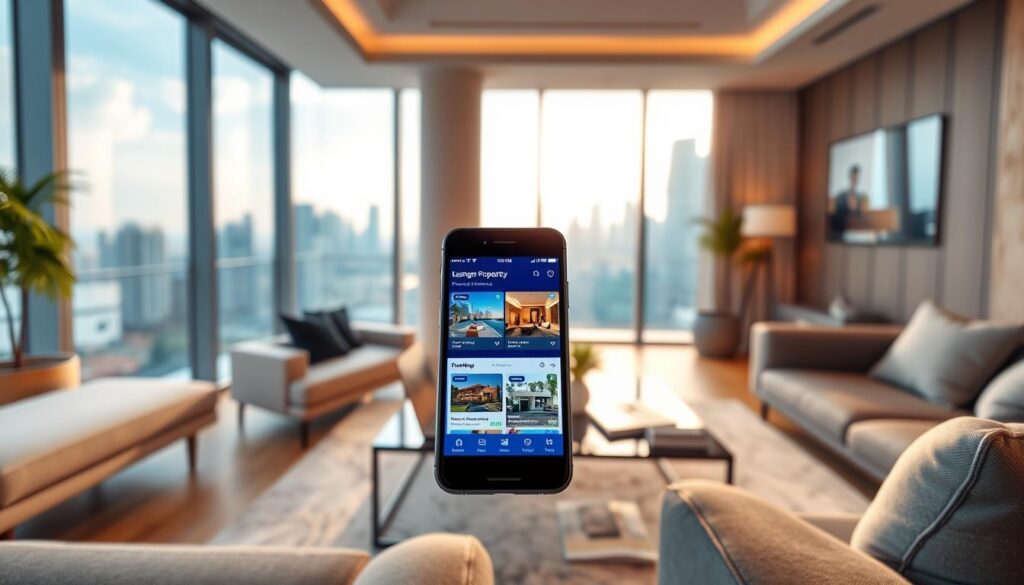
For landlords, these apps are a big help. They can get alerts for maintenance, track lease renewals, and talk to tenants better.
Key Features of Mobile Leasing Applications
- Property search and filtering
- Virtual tours and viewing scheduling
- Lease signing and document management
- Maintenance request and issue reporting
- Payment processing and financial tracking
These features improve the tenant experience and give landlords useful insights. By using mobile apps, landlords can make smarter decisions for their properties.
Mobile apps are also important in the residential market. They make it easy for tenants to handle their leases and talk to landlords.
In summary, mobile apps are changing the leasing world. As technology gets better, we’ll see even more ways to improve the leasing experience for everyone.
Sustainability and Smart Building Technology
Sustainability and smart building tech are changing how we manage and rent out properties. The commercial leasing world is growing, and using green practices and smart tech is key. It helps attract tenants and boosts property value.
Smart building tech combines systems like energy management, security, and automation. This makes buildings more efficient and green. For rental spots, it means big savings and a draw for tenants who care about the planet.
- Enhanced energy efficiency through automated lighting and HVAC systems
- Improved security with advanced access control and surveillance systems
- Data-driven decision-making through real-time monitoring and analytics
- Increased property value through sustainable and modern amenities
Properties with smart tech can get better rental rates and attract top tenants. Plus, being green can cut down on costs, making your investment more profitable.
Key Features of Sustainable and Smart Buildings
Sustainable and smart buildings use cool tech and green practices. Some key features include:
- Renewable energy sources, such as solar panels
- Energy-efficient lighting and HVAC systems
- Advanced water conservation systems
- Smart waste management solutions
By adding these features, property owners can lower their environmental impact. They also make their properties more appealing and competitive in the rental market.
The Impact of Remote Work on Commercial Leasing Trends
Remote work has changed commercial leasing a lot. Now, there’s a big need for flexible lease terms and a rethink of office space needs. Companies are moving to remote or hybrid work, changing how they use office spaces.
Because of remote work, there’s less need for big, fixed office spaces. Tenants want leasing options that can change with their needs. This change is making property management and listings more creative, focusing on spaces that can be easily changed.
Remote work has also made lease terms more flexible. Businesses want shorter leases or the ability to adjust their space as needed. This flexibility is key in property listings, with landlords who offer it standing out more.
There’s also a big change in what types of spaces are wanted. With fewer people in the office, companies want spaces that encourage teamwork and creativity. They’re looking for more shared areas, flexible workspaces, and amenities that help employee well-being.
Property managers are changing how they work to meet these new needs. They’re offering more flexible leases, changing existing spaces, and using technology to improve the leasing process.
The commercial leasing world is changing fast because of remote work. By keeping up with these changes and meeting tenant needs, property managers and landlords can thrive in this new market.
Future Trends in Technology and Commercial Leasing
Technology and commercial leasing are merging in exciting ways. This new mix is more connected, green, and focused on what tenants want. As we move forward, tech will keep changing the leasing world.
The Internet of Things (IoT) is set to become even more important in leasing. It will help manage properties better by tracking how they work, use energy, and need repairs.
- Data analytics will help make better leasing choices and improve property use.
- Smart building tech will make spaces better for tenants and cut costs.
- Virtual and augmented reality will make property tours more fun and real.
- Blockchain will make property deals safer and easier.
These changes will make leasing more efficient and clear. They also open up new chances for property owners to stand out. For example, properties with cool IoT tech will draw in tenants who want the latest in tech.
As the leasing world keeps evolving, it’s key to stay ahead. By jumping on these tech trends, property folks can thrive in a fast-changing market.
If you’re thinking about buying or renting a property, knowing these trends is key. It helps investors and businesses understand the future of commercial real estate. Keeping up with leasing tech is vital, no matter your experience.
Conclusion: Embracing Technology for a Competitive Edge
The world of commercial leasing is changing fast, thanks to new tech. Real estate experts need to keep up to stay ahead. Using tools like data analytics, virtual reality, and blockchain can make things better.
These technologies help make processes smoother and improve how tenants feel. They also give property owners an edge over others.
The future of leasing will rely on smart buildings, mobile apps, and AI. With more people working from home, using these tools is key. This way, real estate pros can find new chances, work more efficiently, and lead the market.
In short, using technology in leasing is essential, not optional. Those who adapt will do well in the fast-changing world of commercial property.