
The industrial sector is changing fast. This is due to the push for green energy, better semiconductor making, and tighter food safety rules. Companies that are key to today’s industry are becoming more popular. They are seen as a good choice for investors looking into Property and real estate in the industrial field.
Food factories are becoming a standout choice in industrial investments. They offer a chance for growth and fit well with current trends. The need for safe and efficient food making places is growing. This is because of what consumers want and the rules they must follow.
Key Takeaways
- The industrial sector is being driven by green energy and food safety demands.
- Food factories are a growing investment opportunity within the industrial sector.
- Advancements in manufacturing are increasing the attractiveness of industrial Property.
- Investors are looking towards industrial real estate for potential growth.
- The trend is expected to continue, driven by consumer and regulatory pressures.
1. Understanding the Rise of Food Factories in Singapore
Singapore’s food factories have grown thanks to smart policies and industry needs. The country is now a key spot for food making because of its great business climate and top-notch facilities.
The world is moving towards making things again, opening doors for food makers. New markets are growing their factories, while old ones are focusing on being greener. This makes it key to have efficient food making places.
Government actions in Singapore have helped food factories grow. They offer tax breaks and grants for research, pushing companies to make food. The government also backs new tech, making Singapore’s food scene more competitive.
More people want packaged food, boosting demand for food factories. Online shopping and new tastes have opened up chances for food makers to grow.
Food factories now use the latest tech to be better and cheaper. This includes automation and digital tools. These changes make Singapore a top pick for food making investments.
Investing in food factories can be very profitable for those looking at commercial property. The need for places to make food is growing fast in Singapore.
2. Benefits of Investing in Food Manufacturing Property
Investing in food manufacturing properties is becoming more popular. This is because the demand for food is increasing. The sector is stable and has growth potential, making it appealing to investors.
One key advantage is the chance for stable returns. Companies like Hammond Power Solutions and TerraVest Industries have shown significant growth. This makes investing in these properties attractive. Good property management is crucial to keep the value and efficiency of these properties high.
Investing in food manufacturing properties also offers other benefits. These include:
- Long-term leases with tenants, providing a steady income stream
- Diversification of investment portfolios, reducing reliance on other sectors
- Potential for capital appreciation as the property value increases over time
- Opportunities for property management companies to add value through efficient operations
Property management is very important. It involves managing the property’s daily operations, ensuring it follows regulations, and keeping the infrastructure in good shape. Good management can make the property more attractive to tenants and investors.
In summary, investing in food manufacturing properties is a smart choice for diversifying portfolios. It takes advantage of the stability in the food production sector. With effective property management, investors can increase their returns and handle the challenges of industrial property investments.
3. Location Matters: Key Areas for Food Factories
Investing in food factories in Singapore means location is key. The right spot can boost success. It’s all about easy access to transport and logistics for smooth operations.
Choosing the right industrial property is crucial. Look for places close to major transport points like ports and airports. These spots are highly sought after.
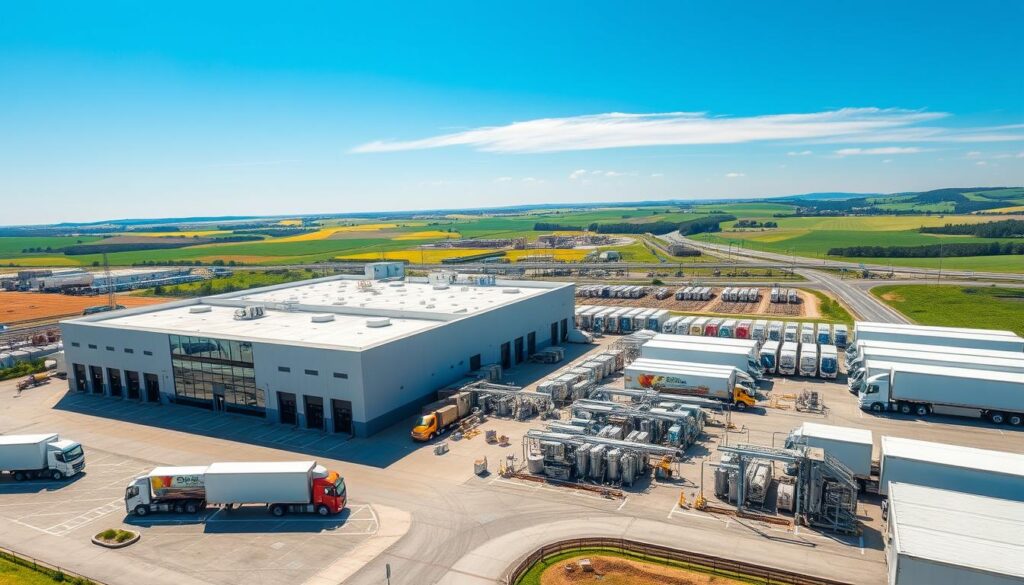
Western and northwestern parts of Singapore are prime for food factories. They’re close to transport and offer great facilities for businesses.
- Proximity to transportation hubs
- Availability of skilled labor
- Access to suppliers and distributors
- Government incentives and support
Investors should weigh these points when picking a location. This ensures their food factory is set for success in the market.
4. Types of Food Manufacturing Properties
Knowing about food manufacturing properties is key for investors. They want to tap into the growing demand in the food industry.
These properties are divided based on their function and the food they process. You’ll find places for baking, meat, dairy, and beverages, among others.
Each property has its own needs for infrastructure, equipment, and rules. For example, meat processing places must follow strict cleanliness and safety rules.
Investors gain by knowing these details. It helps them find the right opportunities that fit their goals and what they can do.
Characteristics of Food Manufacturing Properties
- Specialized infrastructure tailored to specific food processing needs
- Advanced equipment for efficient production
- Compliance with food safety and hygiene regulations
- Strategic location to facilitate supply chain logistics
When selling property, investors should think about redevelopment. This is true in areas where demand has changed.
By understanding food manufacturing properties, investors can make smart choices. This way, they can get the most out of this special market.
5. Sustainability Trends in Food Factories
The food manufacturing industry in Singapore is changing fast. It’s moving towards sustainable practices and green technologies. This change is to lower environmental impact, follow rules, and meet eco-friendly product demands.
Energy-efficient practices are a big trend. Food factories use LED lights, energy-saving gear, and smart building tech. They also add solar panels to cut down on non-renewable energy use.
Waste reduction and recycling are also key. Factories are now using circular economy methods. They cut down waste, reuse materials, and recycle. This helps the environment and saves money too.
These trends are big for property development. Developers are making green buildings that save energy and are good for the planet. They include green roofs, rainwater systems, and eco-friendly materials.
- Energy-efficient practices and renewable energy adoption
- Waste reduction and recycling programs
- Green building designs and sustainable materials
- Smart building technologies for optimized operations
Investing in sustainable food factories helps the environment. It also makes the property more valuable. As sustainability grows, green food factories will attract more tenants and investors. This will shape property development in Singapore.
6. Understanding Market Trends
Knowing the current market trends is key for investors in food factories. The industrial property market in Singapore changes a lot. It’s influenced by things like supply chain issues, new tech, and the economy.
Supply chain problems show how important it is to have flexible manufacturing. Investors who get this can find good opportunities in food factories. These factories can handle supply chain issues better.
New tech is also changing the market. Automation and smart tech in food making make things more efficient. But they also change what people want from industrial properties.
The economy, including changes in global trade and what people want to buy, also affects the market. These changes can impact the demand for food factories.
Key Market Trends to Watch
- More demand for green and eco-friendly factories
- Technology and automation becoming more important in food making
- Changes in global trade affecting supply chains
- What people want to buy is changing, driving demand for certain food products
By keeping up with these trends, investors can make better choices. This could lead to more success in food factory investments.
7. Financing Options for Property Investments
Strategic financing options have changed the game for companies in food manufacturing properties. Companies like Ingersoll Rand and Dover Corporation have seen big benefits. This includes acquisitions and restructuring programs.
Financing is key when investing in commercial property, like food manufacturing. Investors have many options, each with its own pros and cons.
- Traditional Bank Loans: Banks offer loans at fixed or variable interest rates.
- Private Equity: Private equity firms fund commercial property investments.
- Real Estate Investment Trusts (REITs): REITs let people invest in real estate without managing properties.
- Government Grants and Incentives: Governments offer grants and incentives for certain investments, like food manufacturing.
Good property management is vital for getting funding. It means keeping the property in good shape, managing tenants, and following rules. This makes the investment more appealing to lenders.
To get the most from their investments, property managers need to know the financial scene. They must understand how different financing choices affect cash flow and value.
8. Risk Management in Food Property Investments
To succeed in food property investments, understanding and managing risks is key. Investing in the food industry, whether buying or selling, has its own challenges.
Risk management is crucial in industrial property investments. Factors like market volatility, regulatory changes, and environmental concerns pose risks. Effective strategies are needed to mitigate these risks and ensure a profitable investment.
Diversification as a Risk Management Strategy
Diversification is a key strategy in managing risk. By spreading investments across different types of food manufacturing properties or locations, investors can reduce their exposure to any one particular market or regulatory environment.
For instance, investing in both cold storage facilities and general food manufacturing units can help balance the risk. Diversifying across different geographical locations within Singapore can also mitigate risks associated with local economic downturns.
Conducting thorough due diligence is another crucial aspect of risk management. This involves a detailed examination of the property’s condition, its compliance with current regulations, and its potential for future development.
Due diligence also includes assessing the environmental impact of the property and ensuring it meets all necessary sustainability standards. This not only helps in avoiding potential legal issues but also in enhancing the property’s value.
Contingency Planning for Unforeseen Risks
Contingency planning is essential for managing unforeseen risks. This involves developing a plan for potential scenarios such as market downturns, regulatory changes, or natural disasters.
For example, having a financial buffer or a diversified portfolio can help investors weather market volatility. Having a plan for quickly adapting to regulatory changes can also minimize their impact on the investment.
In conclusion, managing risks in food property investments requires a multi-faceted approach. This includes diversification, due diligence, and contingency planning. By adopting these strategies, investors can protect their investments and achieve their financial goals in the dynamic Singapore market.
9. Case Studies: Successful Food Factory Investments
Investing in food manufacturing properties can be a smart move. It requires careful planning and knowing the market well. Companies that do well in this area understand what people want and what’s trending.
In Singapore, the property market is moving towards industrial investments. This includes food factories. The reason is simple: more people want food products, and they need them made efficiently.

Looking at companies like Hammond Power Solutions and TerraVest Industries shows the value of smart investments. They’ve grabbed opportunities, improved how they make things, and reached more customers.
- Knowing the market and planning carefully helps find good chances and avoid problems.
- Investing in new factories can make production better and products higher quality.
- It’s key to know what people want to make products that meet their needs.
While homes are still a big deal, food factories offer a chance for growth. By understanding what makes an investment successful, businesses can make smart choices. This helps them succeed in the competitive property world.
10. Future Projections for the Food Industry in Singapore
The food industry in Singapore is set to grow a lot. This growth comes from investments in property and commercial spaces. It’s also driven by government support, new tech, and changing what people want to eat.
The future of food in Singapore looks bright. Government help and new food tech are key drivers. They make people want more food manufacturing places.
People’s tastes are changing, wanting more sustainable and healthy food. This change opens doors for investors in food making properties. These places can meet the new demand.
Investors should keep an eye on the food industry’s future. There’s a chance for growth in things like new proteins and green packaging. The push for sustainability will make people want commercial spaces that fit these new standards.
- Increased demand for sustainable packaging solutions
- Growing interest in alternative protein production
- Adoption of new food technologies
As the food industry keeps growing, informed investors will have the edge. They’ll know how to grab the new chances that come up.
11. Conclusion: The Case for Investing in Food Factories
Investing in food factories is a smart move for investors. They offer stable returns and growth chances. The right location and property management are key to success.
In Singapore, the need for food manufacturing is on the rise. This is because of the growing demand for processed foods. The country is a major food production hub in Asia. So, investing in the right property can bring big returns.
When looking at an investment property, consider location, market trends, and sustainability. Food factories with green technologies and sustainable practices attract tenants and investors. This boosts the value of the real estate.
Understanding the food industry and property market helps investors make smart choices. This way, they can take advantage of the potential of food factories as a valuable investment property.