
The commercial real estate (CRE) market is changing a lot. Interest rates are going up, and what tenants want is changing. This makes it hard for owners and brokers to keep up.
Technology is moving fast to help solve these problems. The CRE market in 2025 will be much different than it is now. Technology is key in shaping its future.
As the industry changes, tech is being used to make things better. It’s making processes smoother, improving how tenants feel, and enhancing real estate management.
Key Takeaways
- The CRE market is facing significant challenges, including rising interest rates and shifting tenant expectations.
- Technology is evolving to address these challenges and transform the CRE market.
- The industry is leveraging technology to streamline processes and enhance tenant experiences.
- Technology is improving overall real estate management.
- The CRE market in 2025 is vastly different from a few years ago.
The Current State of Commercial Leasing in Singapore
The commercial leasing scene in Singapore is a mix of old and new. It’s seeing big changes thanks to new tech and market shifts.
Recent studies show tech is quickly becoming a big part of the commercial real estate world. Deloitte’s 2025 Commercial Real Estate Outlook found 76% of CRE firms are using AI. They’re using it for things like planning, engaging with tenants, and marketing. This change is making leasing more efficient and based on data.
AI and digital tools are changing the leasing game in Singapore. For example, AI helps analyze trends and predict what tenants will pay. It also makes the experience better for tenants. Plus, data analytics help everyone make smarter choices.
The rental market in Singapore is moving towards being more open and flexible. Tech lets tenants look at properties online, and landlords can reach more people. This digital shift is shaping the leasing industry for the future.
As the industry grows, it’s key for everyone to keep up with new trends and tech. By embracing innovation, property owners and managers can stay ahead and meet market needs.
Embracing Digital Transformation in Real Estate
The real estate world is on the verge of a big change, thanks to PropTech. PropTech, or property technology, is making the commercial real estate sector more tech-focused. It’s moving from old-school property management to a new, tenant-centered way.
This digital shift is making commercial real estate (CRE) better by adding new tech. It’s improving the leasing and property management processes. Key parts of this change include:
- Enhanced property listings with virtual tours and 3D visuals
- Streamlined leasing with digital platforms and automated documents
- Data-driven decisions for investment properties
- Smart building tech and mobile apps for better tenant experiences
PropTech plays a big role in commercial real estate. It makes property management more efficient and tenant experiences better. This makes commercial real estate listings more appealing and investment properties more valuable.
- More efficient property management and leasing
- Happy tenants with personalized experiences
- Smarter decisions with data analytics
- Stronger market position for investment properties
Virtual Tours: A Game Changer for Leasing
Virtual tours are changing the game for property managers and tenants in Singapore. They use virtual tours and augmented reality (AR) to let people see properties online. This way, potential tenants can explore places without being there in person.
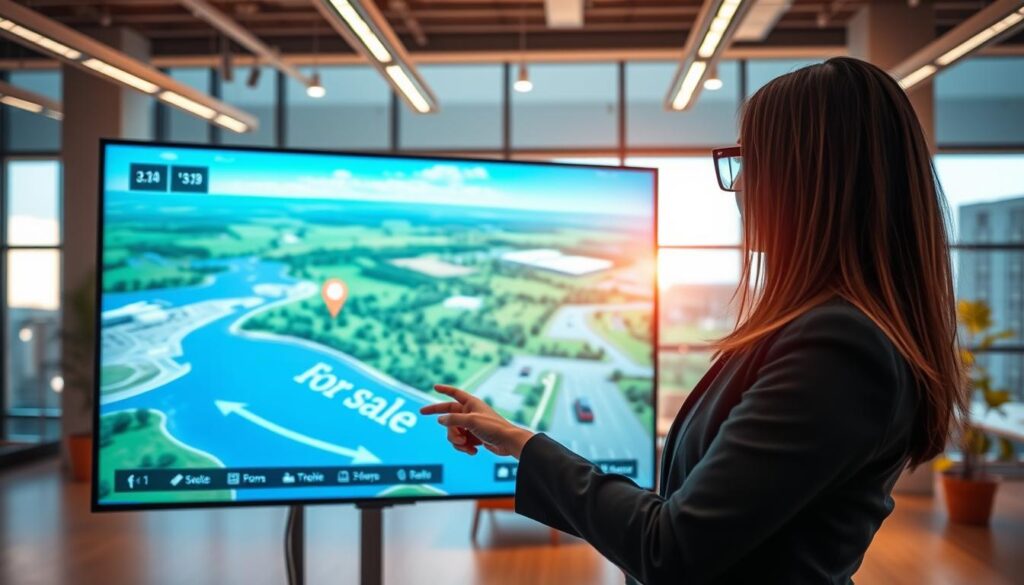
This tech makes the tenant experience better. It also helps property managers work more efficiently and save money. They don’t have to spend as much on showing properties to people.
Benefits of Virtual Tours for Property Managers
- Reduced time spent on property viewings
- Increased reach to potential tenants globally
- Enhanced tenant experience through immersive technology
- Cost savings on marketing and physical tour logistics
By using virtual tours, property managers can make their leasing process better. This attracts tech-savvy tenants and keeps them competitive in the Singapore market.
Virtual tours are also great for hard-to-show properties. This includes places that are being renovated or are far away. They can be used with other digital tools to give a full leasing experience.
Data Analytics: Informed Decision-Making
Data-driven insights are key in commercial leasing. They make tenant experiences better and property management more efficient. The use of data analytics is changing how property managers and landlords make leasing decisions.
Data analytics helps gather and analyze lots of data on tenant habits and likes. This info is vital for making services like energy use and maintenance better. For example, IoT devices can adjust energy use on the spot. This makes tenants happier and saves money.
- It makes tenants happier with services that fit their needs.
- It makes operations more efficient by improving maintenance and energy use.
- It helps make better decisions with detailed data analysis.
- It makes properties more competitive with smart strategies.
Also, data analytics can spot trends in tenant behavior. This lets property managers take steps to improve leasing results. By using data, landlords can offer what tenants want, keeping them happy and attracting new ones.
In short, data analytics is crucial in commercial leasing. It boosts tenant satisfaction and property management. It’s a vital tool in the real estate world.
Blockchain Technology in Lease Agreements
Blockchain technology is changing how we handle commercial lease agreements. It makes them more secure and transparent. This could change how we manage leases completely.
Blockchain makes the leasing process safer and less likely to cause problems. It creates unchangeable records. This means everyone involved can see the same information.
- Increased transparency
- Enhanced security
- Reduced risk of disputes
- Improved efficiency in lease management
In Singapore’s growing commercial property market, blockchain is key. It will shape the future of lease agreements.
AI-Powered Solutions for Property Management
AI is changing property management, making it more efficient and based on data. It helps with tasks like marketing and engaging tenants. This leads to better leasing results.
AI’s predictive targeting is a big plus. It looks at data on potential tenants and market trends. This way, AI finds the best tenants for a property, saving time and money.
AI also makes tenant engagement better by offering personalized experiences. For example, AI chatbots answer questions anytime, improving satisfaction. AI analytics help understand what tenants like, so services can be tailored.
- Improved marketing efficiency through predictive targeting
- Enhanced tenant engagement through personalized experiences
- Data-driven decision-making for optimal leasing outcomes
In real estate, AI helps make listings more visible and engaging. It looks at trends and what buyers want. AI suggests the best ways to list a property, like pricing and images.
As property management grows, AI will play a bigger role. By using AI, managers can offer better services. This keeps them ahead in the market.
The Impact of Remote Work on Commercial Leasing
Remote work has changed how people view office spaces. This shift is affecting the commercial leasing world. Businesses are now looking at office needs differently.
Remote work has made big office spaces less popular. Companies want flexible and easy-to-use spaces. They need places that can grow with their changing needs.
Landlords and property managers need to change too. They should offer flexible leases and new amenities. This includes fast internet and spaces for teams to work together.
Properties with flexible leases and modern features are more appealing. Land for sale that can be used for offices with amenities is also more attractive. This can draw in more tenants and investors.
- Flexible lease terms to accommodate changing business needs
- Amenities that support remote work, such as high-speed internet
- Collaborative workspaces for team meetings and projects
- Proximity to public transportation and other amenities
Understanding remote work’s impact on leasing is key. Property managers and investors can make better choices. They can find ways to update or change properties to meet new market demands.
Sustainability and Technology in Leasing
The world is moving towards greener practices, and technology is key. It’s making commercial leasing more sustainable. This mix of sustainability and tech is leading to new ideas in property management. It helps landlords and tenants lower their environmental impact.
PropTech innovations are leading this change. They offer ways to use less energy, cut down on waste, and support green practices in commercial buildings. For example, smart building tech can adjust lights and heating based on who’s there and how they’re using the space.
- Energy-efficient systems and smart grids
- Green building materials and sustainable construction practices
- Advanced water conservation systems
- Smart waste management solutions
- Data analytics for optimizing building performance
These technologies help the environment and save money for property owners. They cut down on energy use and costs. This makes properties more valuable and attracts tenants who care about the planet.
Also, using sustainability and tech in leasing is a big plus in the market. Tenants want properties that are good for the environment and society. This demand is pushing for more green buildings and sustainable leasing options.
The Rise of Co-Working Spaces
Businesses are looking for work environments that are flexible and dynamic. Co-working spaces are becoming a big trend in commercial leasing. They offer flexible and collaborative workspaces, changing the way we lease commercial properties.

The need for flexibility and scalability is driving the demand for co-working spaces. This change is making landlords and property managers adapt to new tenant needs. They are now leasing and managing properties in new ways.
Co-working spaces bring many benefits, such as:
- Flexibility in lease terms
- Scalability to accommodate growing or shrinking teams
- Access to amenities and services
- Opportunities for networking and collaboration
The growth of co-working spaces is also pushing innovation in property management. Owners and managers are adding technology and amenities to attract co-working operators and tenants.
The co-working trend is set to have a lasting impact on the commercial leasing market in Singapore. It’s important for real estate stakeholders to understand these changes to stay competitive.
Future Trends in Commercial Leasing Technology
The commercial leasing industry in Singapore is set for big changes. New technologies will make renting and investing in property easier and more efficient.
Artificial Intelligence (AI) and machine learning will play a big role. They will help landlords and managers make better decisions. This will improve how they manage their properties and the experience for tenants.
Internet of Things (IoT) devices will also become more common. These devices will let people monitor properties in real-time. This will boost security and cut costs for property owners.
Digital platforms will change how we lease commercial spaces. Online platforms will make it easy for tenants to find and lease properties. This will make the whole process smoother and more convenient.
It’s important for everyone in the industry to embrace these new technologies. By doing so, they can stay ahead in the market. This will open up new chances for investors and property managers in commercial leasing.