
The real estate market is set for big changes in 2026. These changes come from new consumer wants and tech advancements. Now, making memorable experiences for customers is a big goal.
The Property sector will focus more on experiences and community. This shift is due to many factors. These include changes in who lives where, more people moving to cities, and online shopping growing.
Key Takeaways
- The real estate market in 2026 will be characterized by a focus on experiential developments.
- Sustainability and innovation will be key drivers of growth in the Property sector.
- Demographic changes and urbanization will continue to shape the market.
- The rise of e-commerce will influence the demand for retail and commercial spaces.
- Community-driven developments will become increasingly popular.
Overview of the 2026 Real Estate Market
In 2026, the real estate world will see big changes. These changes come from new market trends and tech advancements. These factors will shape the market in many ways.
People now want experiences more than things. This change will affect real estate a lot. Brands and investors are making unique experiences for people. This could lead to more growth in experiential retail, changing how we invest in real estate.
But, there’s more to the 2026 real estate market than just experiential retail. E-commerce growth, demographic shifts, and sustainability are also key. Investors will have to think about these when deciding where to put their money.
Investors in 2026 will focus on a few main things:
- Properties that offer unique experiences or amenities
- Sustainable and eco-friendly developments
- Areas with strong demographic trends
- Opportunities for renovation or redevelopment
By keeping up with these trends and adjusting their plans, investors can do well in 2026’s real estate market.
Economic Factors Influencing Real Estate
Looking ahead to 2026, economic conditions will deeply affect real estate. Interest rates, employment rates, and inflation will shape both housing and commercial markets.
Interest rates, set by central banks, affect housing affordability. Lower rates make mortgages cheaper, boosting demand. But higher rates make borrowing pricier, slowing the market. For example, rising rates might scare off homebuyers, slowing the market.
Employment rates are key too. High rates mean more people have money to spend on homes and businesses. Areas with low unemployment see more real estate activity. This is because people with stable jobs are more likely to invest in property.
Inflation also plays a big role. Moderate inflation can help real estate investors as it raises property values. But high inflation can hurt renters and homeowners, leading to lower demand. It can also push up interest rates, affecting the market.
Commercial properties, like office spaces and retail, are also influenced by the economy. When the economy is strong, so is demand for commercial spaces. This increases rental income for investors. But economic downturns can cause vacancies and lower income.
In summary, the 2026 real estate market will be influenced by many economic factors. Knowing these factors is vital for investors, policymakers, and consumers to succeed in the market.
Urban vs. Suburban Transformation
The real estate market is changing, driven by new lifestyle needs and tech. The old lines between city and suburb are fading.
More people are moving to suburbs for bigger homes and peace. Remote work lets them stay home, making city living less necessary.
Suburbs are growing with more homes and apartments. They offer better amenities, making them like cities.
Buyers now want better quality of life and outdoor spaces. This is creating new features in homes, like gardens and gyms.
- Suburbs are getting more popular for their size and price.
- Cities are adding green spaces and amenities to attract people.
- Mixed-use projects are combining homes, shops, and offices, making areas lively.
This change isn’t just about homes; it’s also about workspaces. Mixed-use projects are becoming common, blending living, shopping, and working.
Understanding the shift between city and suburb is key for investors and buyers. The future of homes will be shaped by these changes, bringing new chances and challenges.
Technological Innovations in Real Estate
Technology is changing the real estate world. Now, we can explore properties online with virtual tours. This is great for the current market, where homes are often shown online.
Smart homes are also becoming popular. They offer better security, save energy, and are convenient. Blockchain technology is making mortgages faster and easier, cutting out middlemen.

- Artificial intelligence-powered chatbots that assist buyers and sellers
- Big data analytics that help in predicting market trends
- Virtual staging and augmented reality that enhance property presentations
These new tools are making real estate better for everyone. As technology grows, we’ll see even more changes in the real estate world.
Sustainable and Eco-Friendly Developments
Eco-friendly property developments are becoming more popular. This shows a bigger trend towards making real estate more sustainable. People are now more aware of environmental issues and want homes that save energy.
Using green building materials is a big part of these developments. These materials are chosen and used to reduce harm to the environment. Examples include recycled stuff, wood from sustainable sources, and paints that don’t release harmful fumes.
Energy efficiency is also key in eco-friendly homes. Modern homes often have tech that saves energy, like solar panels and smart systems. These help use less power and save money.
Benefits of Sustainable Housing
- Less harm to the environment because of energy saving and green materials.
- Lower bills for residents because of energy-saving features.
- Higher property value as green features become more wanted.
- Better air inside homes and healthier living spaces.
The move towards green developments is good for the planet and also saves money. As more people want green homes, property values and savings can increase over time.
Millennial and Gen Z Buyers
Millennial and Gen Z buyers are changing the real estate market. They have unique preferences and buying habits. Their focus on experiences is making their home buying and investment choices more important.
These buyers want homes that are green, tech-savvy, and community-focused. They seek homes that match their values and dreams.
Millennials and Gen Zers want homes that are good for the planet and smart. They plan their finances carefully, looking for investments that last.
- Prioritizing sustainability and eco-friendliness in home design and construction
- Seeking community-oriented living spaces that foster a sense of belonging
- Integrating technology into their homes for enhanced convenience and efficiency
As these generations grow, they’ll keep shaping the real estate market. Their influence will lead to new ideas in housing and investments. It’s key for those in the industry to understand their needs and wants.
Commercial Real Estate Outlook
The future of commercial real estate in 2026 looks promising. It’s moving towards more flexible and multi-use buildings. This change is because of the need to adapt to new market needs.
Office spaces are evolving fast. With more people working from home, offices need to change. They now focus on collaborative workspaces and flexible lease options.
The retail world is also changing. Now, there’s a push for buildings that mix retail, dining, and entertainment. This is because shoppers want more than just to buy things.
Key Trends in Commercial Real Estate
- Growth of e-commerce warehousing: The rise of e-commerce has led to an increased demand for warehousing and logistics facilities.
- Adaptive reuse of existing buildings: There is a growing trend towards repurposing existing commercial buildings for new uses.
- Increased focus on sustainability: Commercial real estate developers are incorporating sustainable design and practices into their projects.
These trends will shape the commercial real estate market in 2026. Expect more focus on flexibility, sustainability, and creative uses of space. The rental market will also see changes, with more demand for commercial rentals that meet business needs.
As the commercial real estate sector evolves, it’s crucial for investors, developers, and businesses to keep up. Knowing the latest trends helps them make smart decisions about their properties and investments.
Government Policies and Regulations
In 2026, the real estate market will see big changes thanks to government policies. These rules aim to make homes more affordable, change zoning laws, and tweak taxes. All these factors are key in shaping the market.
Efforts to make homes more affordable will greatly affect the housing market. This might include help for first-time buyers, rent controls, and more affordable housing. For example, rules that push for more affordable homes can increase listings. This gives buyers more choices.
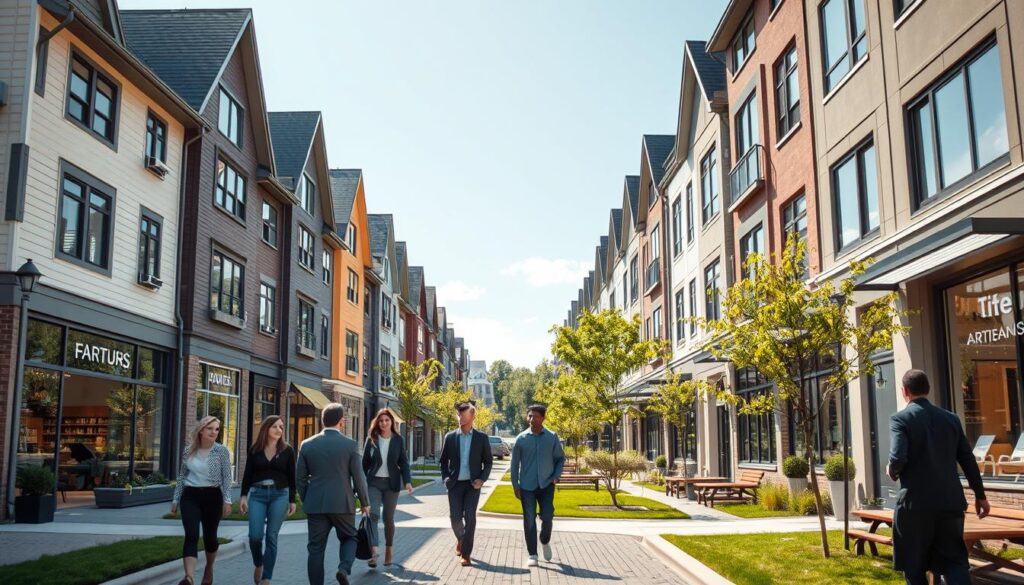
Zoning laws and land-use rules are also very important. They decide how land can be used, affecting new home projects. These laws also shape neighborhoods and what kinds of buildings are allowed.
Taxes play a big role too. Changes in tax laws, like deductions for mortgage interest, can sway buyer decisions. This can change how much people want to buy homes.
Key Government Policies Affecting Real Estate
- Housing affordability initiatives
- Zoning laws and land-use regulations
- Tax policies and incentives
- Environmental regulations
In conclusion, government policies and rules will be crucial in 2026’s real estate market. Knowing about these policies is essential for those in the market.
The Rental Market Landscape
In 2026, the rental market is changing a lot. More people want short-term and luxury rentals. This is because of online platforms and new consumer tastes.
Short-term rentals, like those on Airbnb, are popular for travelers and those needing temporary homes. Long-term rentals, on the other hand, are still the choice for those wanting stability.
Rental prices are also changing. The rise of short-term rentals is affecting how prices are set. Location, amenities, and the time of year are now key factors.
Landlords are facing new challenges. They must keep up with changing rules, handle risks of short-term rentals, and manage both short and long-term rentals.
Key Trends in the Rental Market
- Increased demand for luxury and short-term rentals
- Greater emphasis on amenities and services
- Regulatory challenges for landlords and property managers
- Technological innovations in property management
The rental market in 2026 is also influenced by the economy. Mortgage rates and property availability play big roles. When mortgage rates change, more people might choose to rent, boosting demand.
In conclusion, the rental market in 2026 is complex. It’s shaped by tech, changing tastes, and the economy. Understanding these factors is key for landlords, managers, and renters to succeed in this changing market.
Financing and Investment Opportunities
The year 2026 is expected to bring new ways to finance and invest in real estate. As the market changes, more options are available for investors to grow their portfolios.
Real Estate Investment Trusts (REITs) are a big financing chance in real estate. They let people invest in property without managing it themselves. This offers a chance for regular income and can be less risky than owning property directly.
Crowdfunding is another new way to finance real estate. It lets many investors come together to fund properties or projects. This makes investing in real estate more open to more people.
Private equity firms are also important in real estate financing. They invest in properties or real estate companies. They bring a lot of money and know-how to help projects grow and develop.
Key Investment Opportunities
- REITs: Offering diversified portfolios and regular income.
- Crowdfunding: Making real estate investment accessible to a wider audience.
- Private Equity: Bringing significant capital and expertise to real estate projects.
These financing and investment chances will change the real estate world in 2026. They offer more choices for investors and help the industry grow and develop.
Demographic Shifts and Their Impact
The real estate market is seeing big changes due to demographic shifts in 2026. As the population changes, so does the demand and supply in real estate.
The aging population is a big factor. More elderly people mean more need for housing for seniors. This trend will keep growing, leading to more homes designed for older adults.
Diverse communities are also changing the market. With more diverse populations, there’s a demand for different homes. This includes homes for multi-generational families and spaces for various cultures. It’s also affecting commercial real estate, with more demand for stores and spaces for different cultures.
Changes in family structures are also big. Single-parent homes and multi-generational families are changing what people want in a home. There’s a need for bigger homes and flexible living spaces for these families.
Impact on Housing Demand and Supply
These demographic shifts are changing what people want in a home. They’re also affecting how much housing is available. The aging population and changes in family structures are making housing demand more complex.
- Increased demand for age-restricted and senior living facilities
- Growing need for diverse housing types to cater to different family structures
- Rising demand for commercial spaces that serve diverse communities
To keep up, real estate developers and investors need to understand these trends. They should build homes that meet the needs of different groups. They should also invest in commercial properties that meet the changing needs of diverse communities.
Preparing for a Changing Market
The real estate market is always changing. Buyers, sellers, and investors need to keep up. New technologies and changing demographics are making big impacts.
It’s key to know the latest listings and trends. Real estate agents use data and digital marketing to find clients. Investors should look at long-term plans, focusing on green and sustainable projects.
Knowing the current market and being ready for changes helps make smart choices. This way, people can grab new chances in the residential market.